Archives
- 2026-04
- 2026-03
- 2026-02
- 2026-01
- 2025-12
- 2025-11
- 2025-10
- 2025-09
- 2025-03
- 2025-02
- 2025-01
- 2024-12
- 2024-11
- 2024-10
- 2024-09
- 2024-08
- 2024-07
- 2024-06
- 2024-05
- 2024-04
- 2024-03
- 2024-02
- 2024-01
- 2023-12
- 2023-11
- 2023-10
- 2023-09
- 2023-08
- 2023-07
- 2023-06
- 2023-05
- 2023-04
- 2023-03
- 2023-02
- 2023-01
- 2022-12
- 2022-11
- 2022-10
- 2022-09
- 2022-08
- 2022-07
- 2022-06
- 2022-05
- 2022-04
- 2022-03
- 2022-02
- 2022-01
- 2021-12
- 2021-11
- 2021-10
- 2021-09
- 2021-08
- 2021-07
- 2021-06
- 2021-05
- 2021-04
- 2021-03
- 2021-02
- 2021-01
- 2020-12
- 2020-11
- 2020-10
- 2020-09
- 2020-08
- 2020-07
- 2020-06
- 2020-05
- 2020-04
- 2020-03
- 2020-02
- 2020-01
- 2019-12
- 2019-11
- 2019-10
- 2019-09
- 2019-08
- 2019-07
- 2019-06
- 2019-05
- 2019-04
- 2018-07
-
Most human diseases e g cancer diabetes
2023-09-13

Most human diseases (e.g., cancer, diabetes, and neurodegenerative diseases) are complex and multifactorial. Several investigations in the literature focused on new multi-target drug development, which implies active pharmacophores incorporation in one scaffold (Meunier, 2008, Lazar et al., 2004, Te
-
Maynard et al demonstrated that serum levels of sFlt
2023-09-13
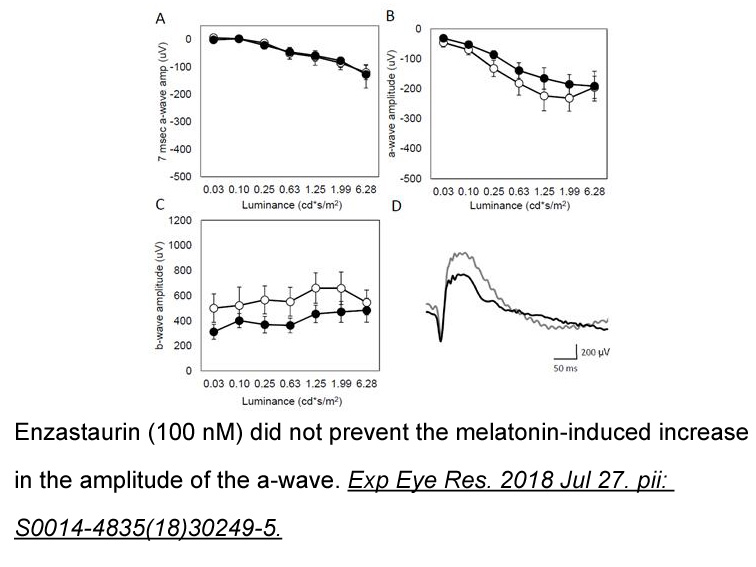
Maynard et al. [54] demonstrated that serum levels of sFlt-1 were five times higher in pregnant women with PE than in normotensive women; as a consequence, VEGF and PlGF levels were found to be proportionally reduced in these women [54]. The literature confirms that there is a sharp increase in sFlt
-
br Experimental section br Introduction NMDA
2023-09-12
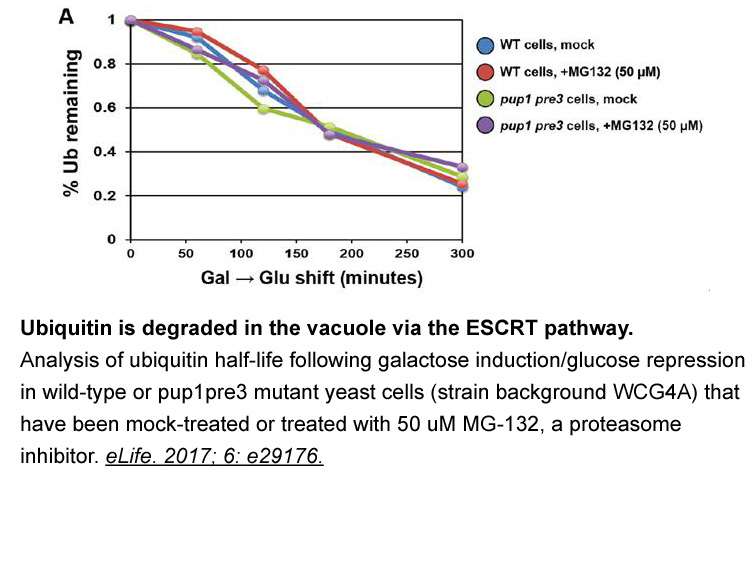
Experimental section Introduction NMDA receptor-induced increases in AMPAR trafficking to the synaptic surface mediates changes in synaptic efficacy in a number of 5-Formyl-CTP synthesis regions (Shi et al., 1999, Sun et al., 2005, Frenkel et al., 2006). While this process has been linked to
-
WKY and SHR strains have important differences
2023-09-12
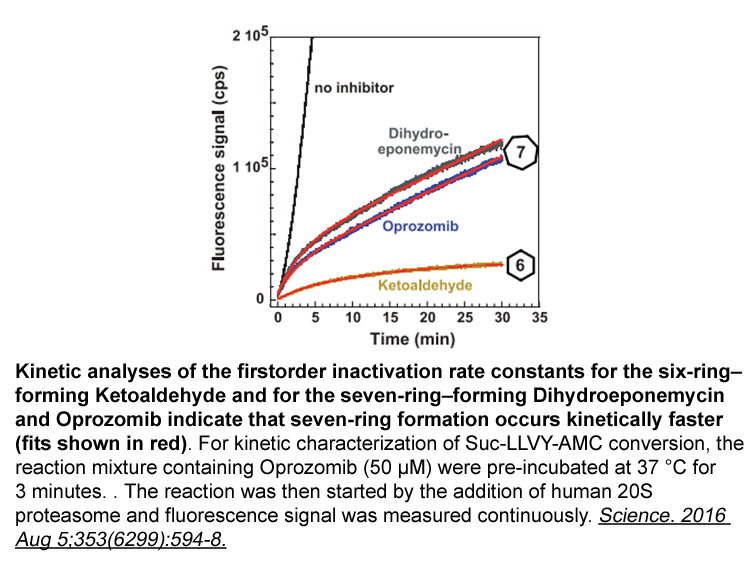
WKY and SHR strains have important differences mainly in their sympathetic status but also in the activity of the RAS. The development of hypertension in SHR is clearly related to an increase in sympathetic activity [51], [11]. In addition, increased renal sympathetic nerve activity led to an increa
-
The complex role of the
2023-09-12

The complex role of the human intestinal microbiota is emerging and its functions has been elucidated when considering energy metabolism, nutrient digestion, vitamin synthesis, epithelial defenses and immune responses [34]. The colon is responsible for salvage of energy and possibly nitrogen from ca
-
A straightforward synthetic pathway was adopted to
2023-09-12
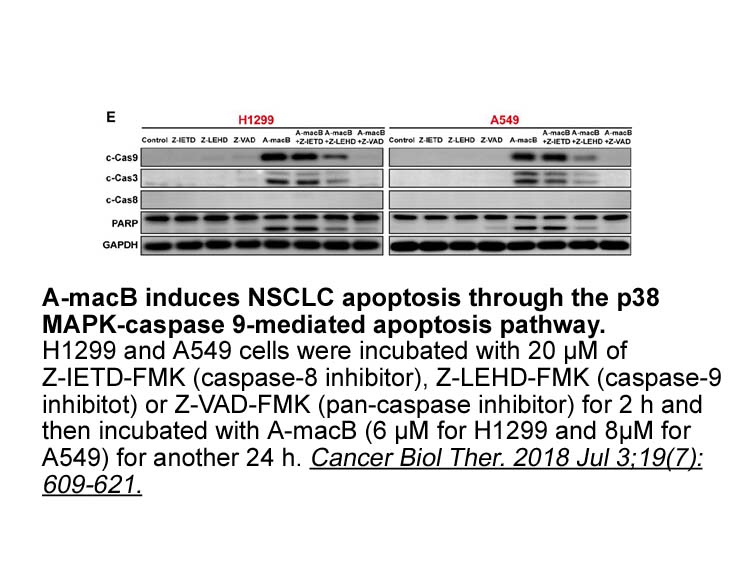
A straightforward synthetic pathway was adopted to synthesize the target compounds as outlined in . The starting chloromethylquinazolinones (–) were synthesized from anthranilic gip receptor in two steps following reported procedures., , , The first step involves chloroacetylation of anthranilic aci
-
3,3',5'-Triiodo-L-thyronine australia The present in
2023-09-12
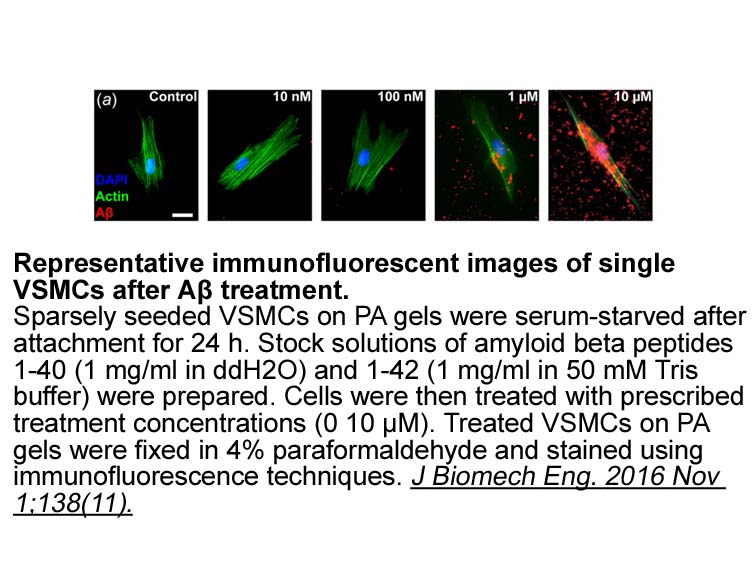
The present in vitro pharmacological experiments revealed that the cholinergic up-regulation of VEGF expression in neurons and astrocytes was mainly mediated by nicotinic AChR and muscarinic AChR, respectively. In addition, neuronal VEGF expression was elevated by endogenous ACh in a manner that was
-
As also found by Stolarski et al inclusion of N
2023-09-12
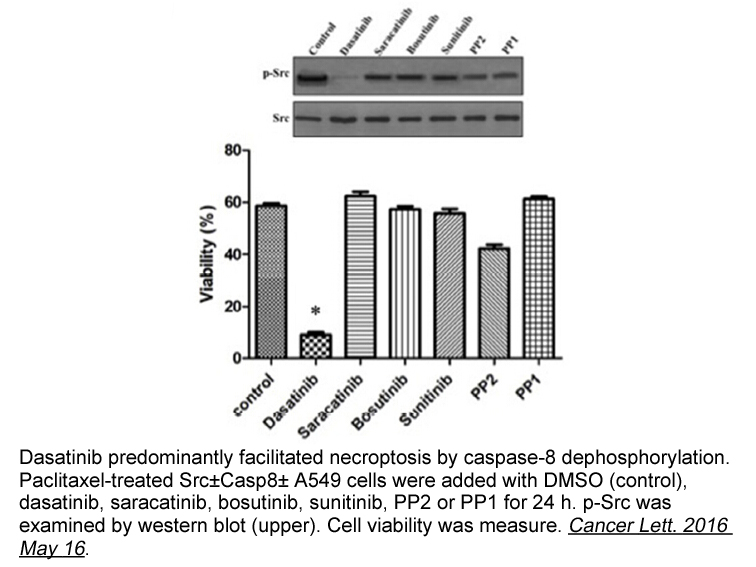
As also found by Stolarski et al. [14], inclusion of N2O in the model is successful in reducing the effect of dynamics [13] in the lower stratosphere in the Northern Hemisphere (30–60°N in our case). The inclusion of N2O also decreased the error bars on the trend values, but the trend values still c
-
In summary we could identify and experimentally confirm two
2023-09-12
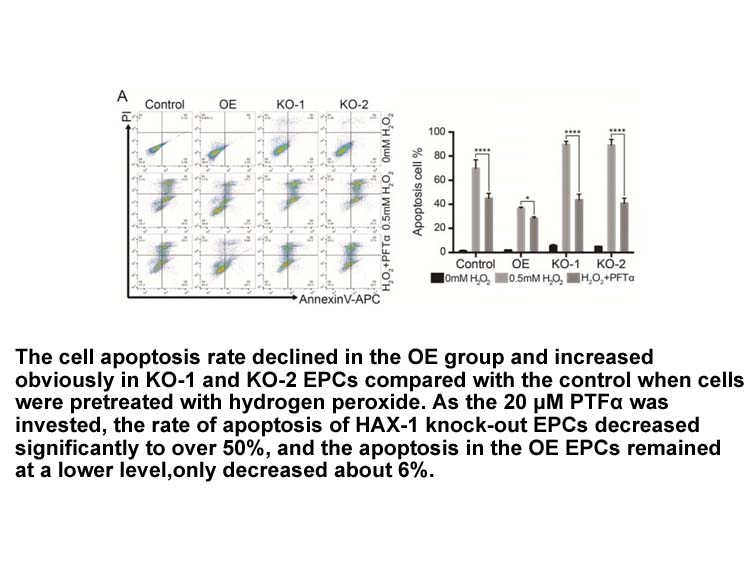
In summary, we could identify and experimentally confirm two novel SBEs within the 5-LO promoter and we were able to demonstrate that TGFβ and SMADs stimulate 5-LO promoter activity. Moreover, an elevated 5-LO expression has been linked to different forms of leukaemia. Therefore, the influence of ML
-
The synthetic route to M developed by
2023-09-12
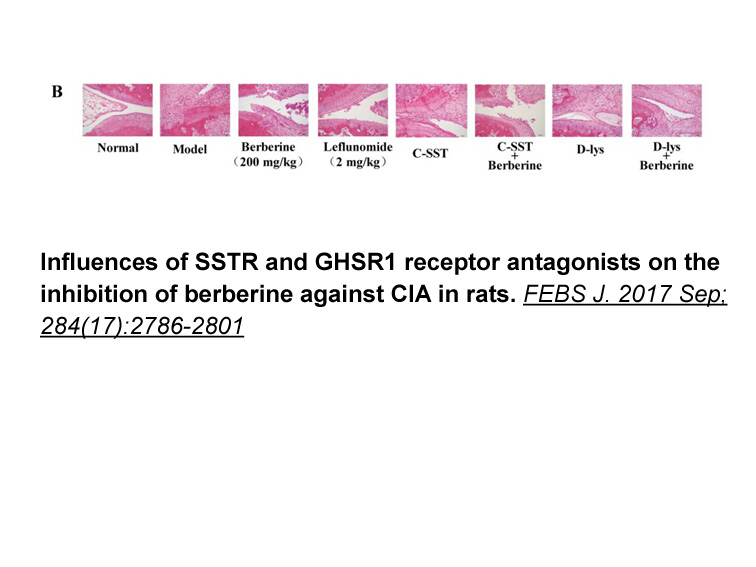
The synthetic route to M100907 developed by Rice was utilized, however, the chiral resolution was carried out at an earlier stage to provide the possibility of introducing different substituents onto the piperidinyl group. The conditions for this resolution were different from previously reported.
-
An AXL decoy receptor with enhanced GAS binding properties M
2023-09-12

An AXL decoy receptor with enhanced GAS6-binding properties, MYD1, was engineered as a therapeutic tool to disrupt GAS6/AXL signaling in vivo (Kariolis et al., 2014). MYD1 was shown to block metastasis of human ovarian cancer pathways cu sale and a murine breast cancer cell line in grafting assays
-
In considering the roles of these
2023-09-12
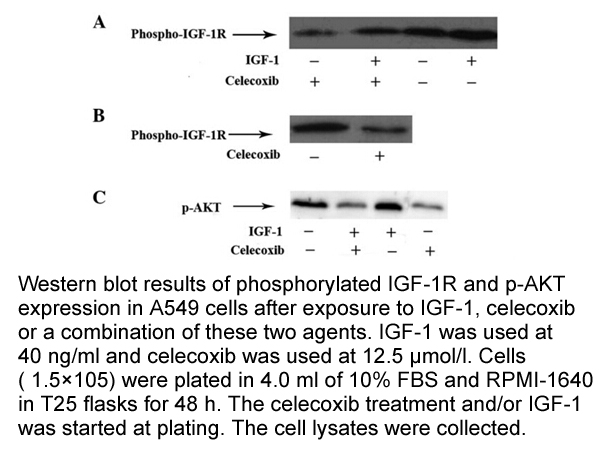
In considering the roles of these enzymes in normal physiology, given the importance of GLUT4-dependent glucose uptake and glucose-dependent fatty colorimetric synthesis for systemic metabolic homeostasis (Herman and Kahn, 2006, Herman et al., 2012), deletion of Acly in adipocytes results in a surp
-
A third motif involves the
2023-09-12
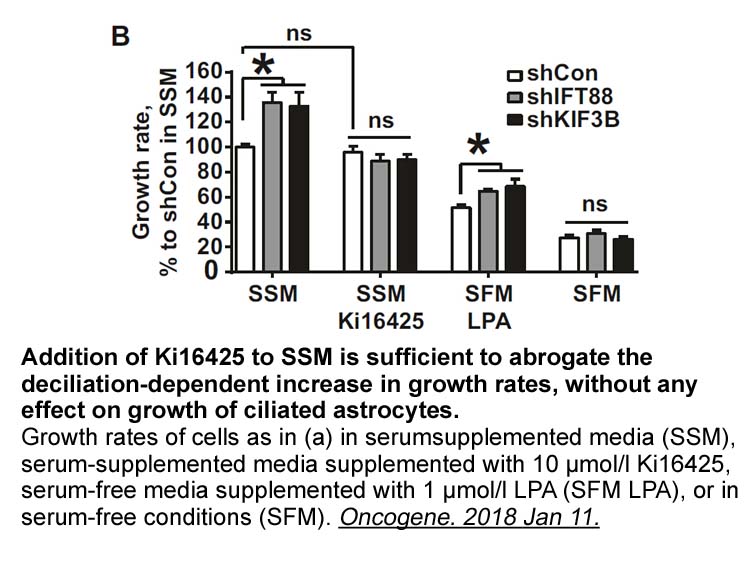
A third motif involves the toggle switch and consists of the conserved FxxCWxP sequence in TM6 of class A GPCRs (Hofmann et al., 2009, Rosenbaum et al., 2009). Rotamerization of Trp in combination with a kink caused by Pro facilitates the outward movement of TM6 upon activation (Hofmann et al., 2009
-
cantharidin The mechanism governing how mechanotransduction
2023-09-12

The mechanism governing how mechanotransduction signals regulate a number of genes involved in cartilage hemostasis remains unclarified. Mitogen-activated protein kinase (MAPK) pathways are activated by static and dynamic compression of cartilage (31 32). c-Fos/AP-1 is downstream of the MAPK pathway
-
Using the same techniques we found
2023-09-12
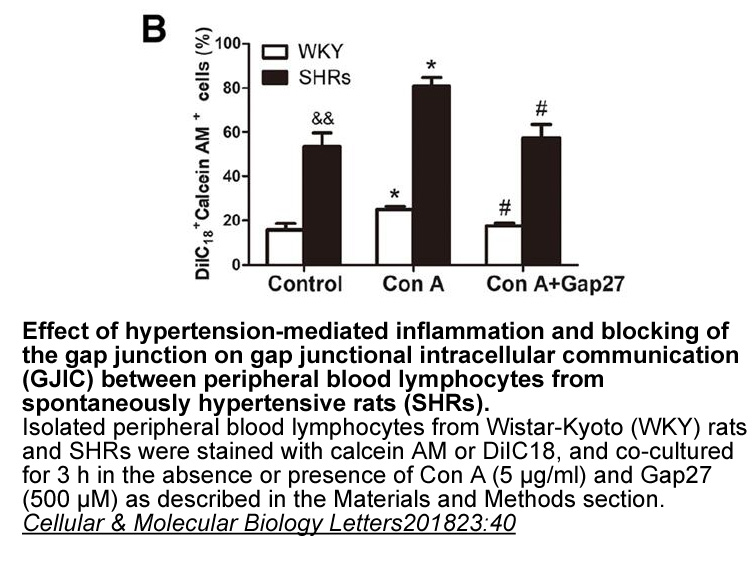
Using the same techniques, we found that UCP3 also has a half-life of between 1 and 4h [117]. In glycyrrhizin to UCP2 and UCP3, UCP1 and ANT had much longer half-lives and could not be degraded in the cell-free reconstituted system, suggesting their degradation is not mediated by the cytosolic prot
16373 records 301/1092 page Previous Next First page 上5页 301302303304305 下5页 Last page