Archives
- 2026-04
- 2026-03
- 2026-02
- 2026-01
- 2025-12
- 2025-11
- 2025-10
- 2025-09
- 2025-03
- 2025-02
- 2025-01
- 2024-12
- 2024-11
- 2024-10
- 2024-09
- 2024-08
- 2024-07
- 2024-06
- 2024-05
- 2024-04
- 2024-03
- 2024-02
- 2024-01
- 2023-12
- 2023-11
- 2023-10
- 2023-09
- 2023-08
- 2023-07
- 2023-06
- 2023-05
- 2023-04
- 2023-03
- 2023-02
- 2023-01
- 2022-12
- 2022-11
- 2022-10
- 2022-09
- 2022-08
- 2022-07
- 2022-06
- 2022-05
- 2022-04
- 2022-03
- 2022-02
- 2022-01
- 2021-12
- 2021-11
- 2021-10
- 2021-09
- 2021-08
- 2021-07
- 2021-06
- 2021-05
- 2021-04
- 2021-03
- 2021-02
- 2021-01
- 2020-12
- 2020-11
- 2020-10
- 2020-09
- 2020-08
- 2020-07
- 2020-06
- 2020-05
- 2020-04
- 2020-03
- 2020-02
- 2020-01
- 2019-12
- 2019-11
- 2019-10
- 2019-09
- 2019-08
- 2019-07
- 2019-06
- 2019-05
- 2019-04
- 2018-07
-
Further validation for a role in LOX pathway in mediating
2024-11-18
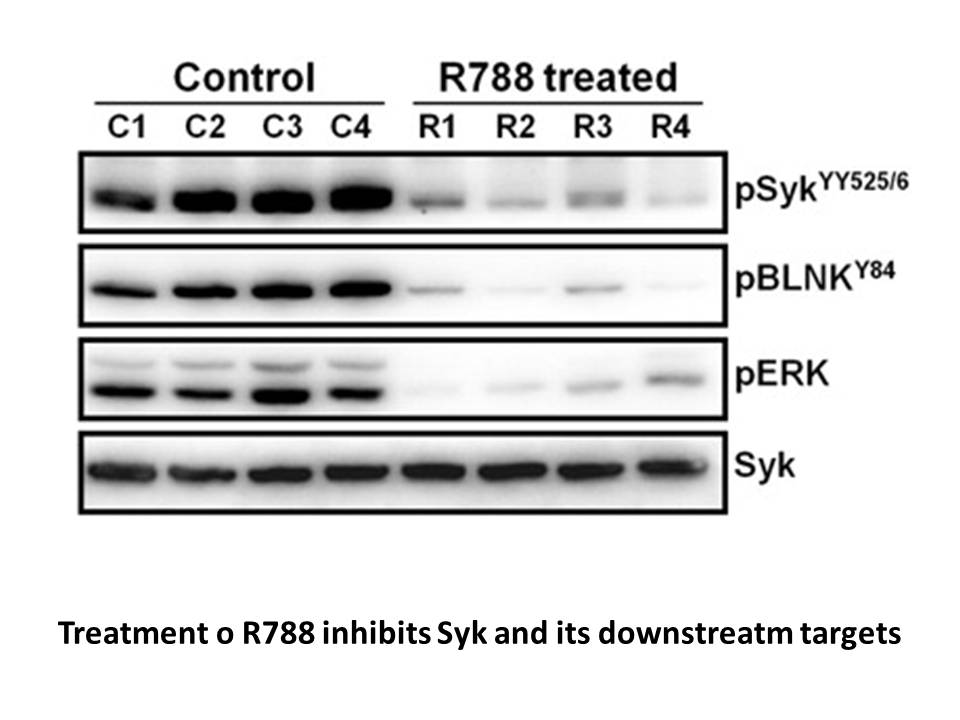
Further validation for a role in 12/15-LOX pathway in mediating adipocyte function comes from studies revealing a regulatory role of lipocalin-2 on 12/15-LOX activity. Lipocalin-2, a glycoprotein member of the lipocalin superfamily, is a novel abundant adipokine implicated in obesity-mediated inflam
-
However a high triglyceride level was associated
2024-11-18
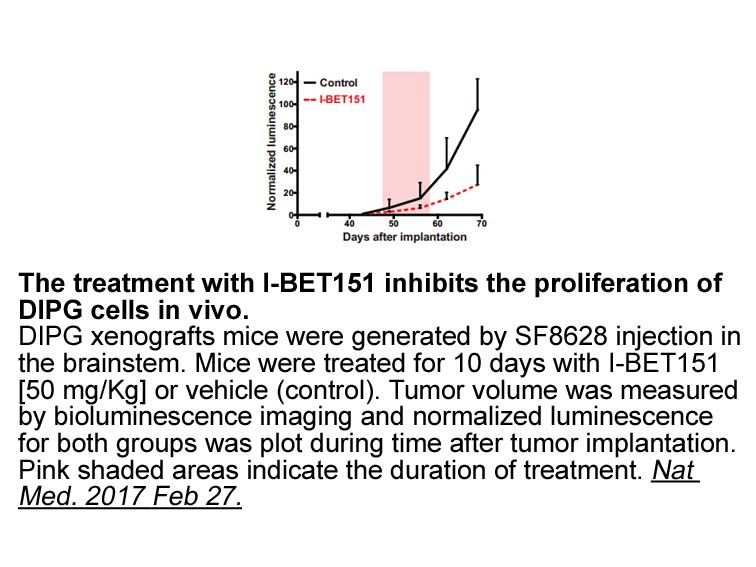
However, a high triglyceride level was associated with dementia in a study with subjects aged ≥65 years (Raffaitin et al., 2009). In another study, the serum triglyceride levels of three different transgenic mouse strains mimicking AD were also evaluated within the progression of the pathology. In o
-
br Discussion The patient presented initially only
2024-11-18
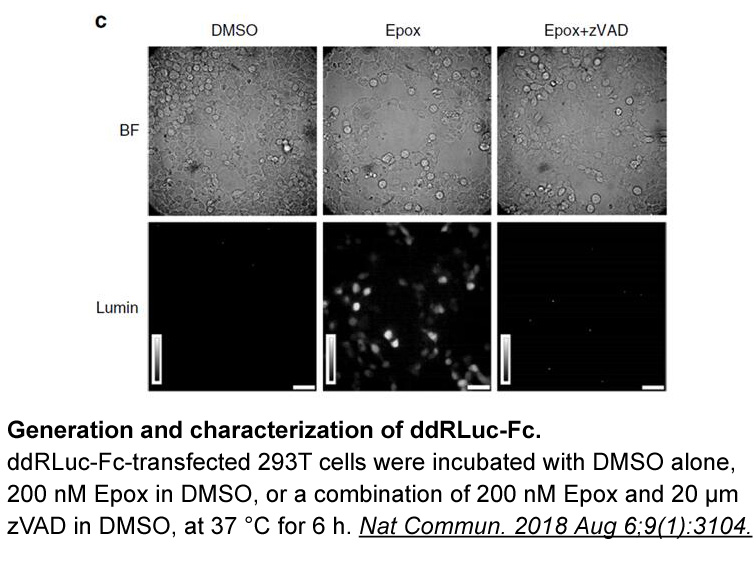
Discussion The patient presented initially only with parietal symptoms in the form of acalculia, visuo-spatial deficits, and visuo-perceptual deficits and dressing apraxia. He also had simultognosia as early symptoms. Later when the disease progressed he had recent memory deficits and language in
-
The PAS domains of AHR
2024-11-18
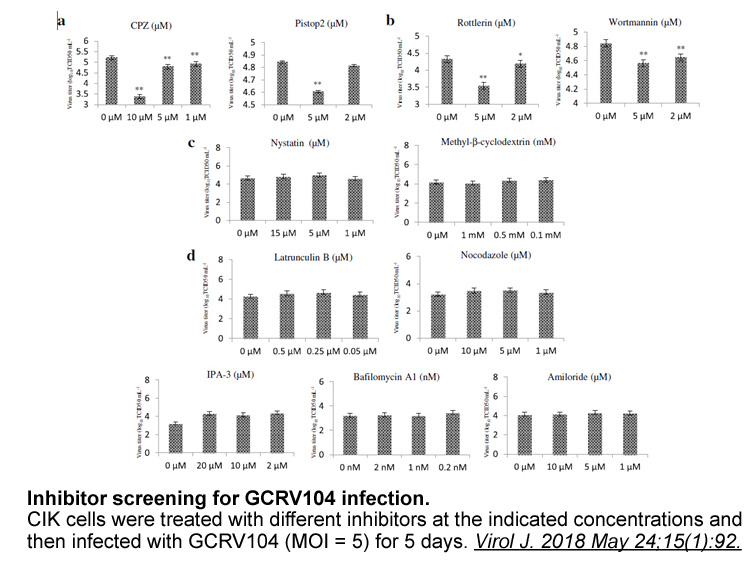
The PAS domains of AHR consist of two regions, PAS-A and PAS-B, which function as interfaces for dimerization with ARNT and for ligand binding, respectively [14]. Although both the bHLH and the PAS-A domains have been shown to be involved in dimerization with ARNT, a recent report suggests that only
-
GS-9137 synthesis br Methods br Results br
2024-11-18
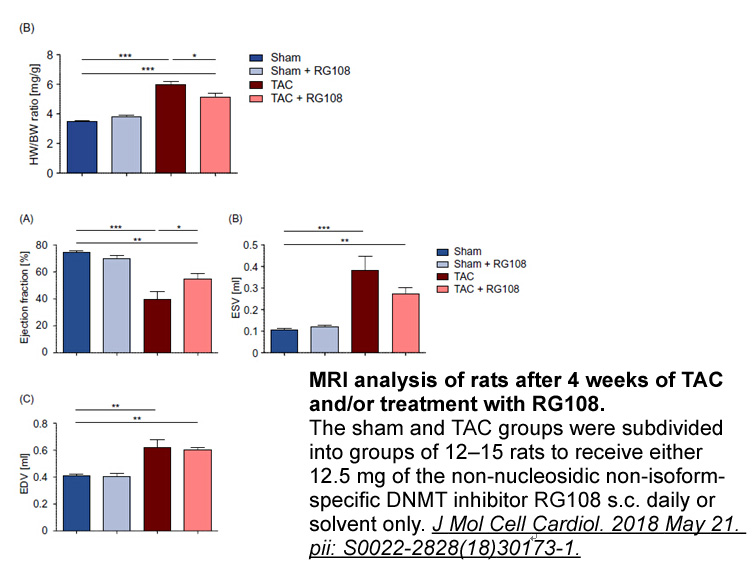
Methods Results Discussion Adiponectin is naturally expressed and secreted exclusively from adipocytes, and adiponectin levels and its isoforms in circulation have recently been reported to highly associate with human coronary artery disease (CAD) [46], [47], [48], [49], these studies clear
-
br Experimental procedure br Introduction Migraine is a debi
2024-11-18
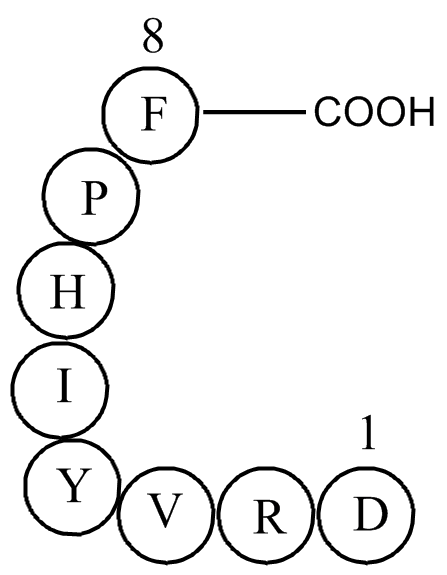
Experimental procedure Introduction Migraine is a debilitating neurovascular disorder characterized by recurring unilateral pulsating headaches of moderate to severe intensity, associated with nausea, photophobia and/or phonophobia, lasting from 4 to 72 h (Headache Classification Committee of
-
Application of the broad acting HTR antagonist methiothepin
2024-11-18

Application of the broad-acting 5-HTR antagonist methiothepin (Bard et al., 1996, Hoyer et al., 1994, Peroutka, 1990) converted the TBS-induced response of both thalamocortical and intracortical A1 synapses from LTP to LTD, an effect that was mimicked by the selective 5-HT2R antagonist ketanserin (L
-
The inhibition of the exacerbated inflammatory response that
2024-11-18
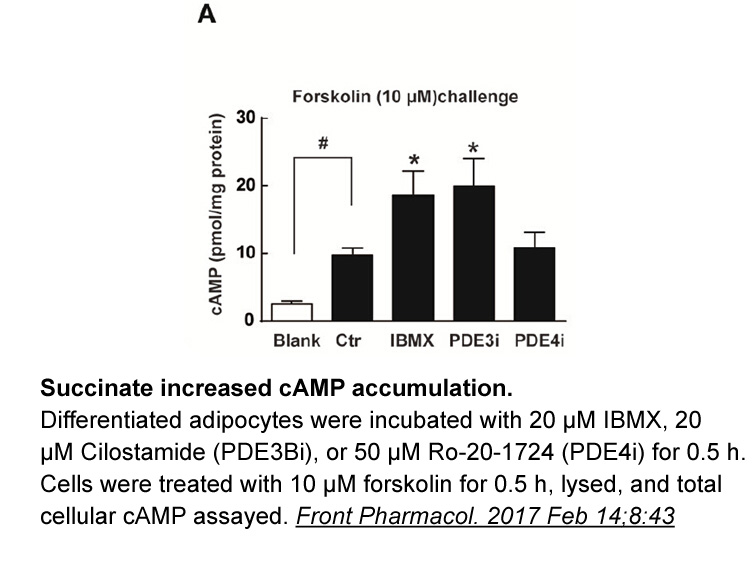
The inhibition of the exacerbated inflammatory response that follows injury may be an alternative approach to induce a more efficient repair [17,83]. In line with that, 5-LO is one of the most consolidated targets for dampening inflammation, mainly through the therapeutic effects of 5-LO inhibitors
-
Steroidal CYP inhibitors can further be classified
2024-11-18
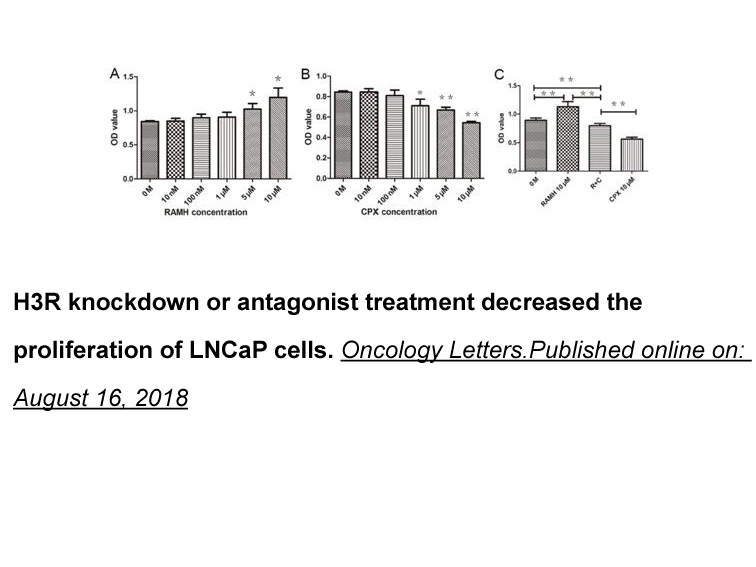
Steroidal CYP17 inhibitors can further be classified based on their mode of action, namely as mechanism-based inhibitors and type I and type II competitive inhibitors [129]. Recent studies investigated other biological targets than CYP17, and some new compounds have shown interesting dual activity a
-
br Discussion In our current
2024-11-18

Discussion In our current study, we demonstrated that both the metastatic and recurrent ovarian cancer tissues expressed lower levels of p62 when compared with the patient-matched primary tumor samples. High dan shen receptor levels of p62 were associated with long progression-free survival of p
-
2-deoxy-d-glucose These recommendations may be useful for
2024-11-18
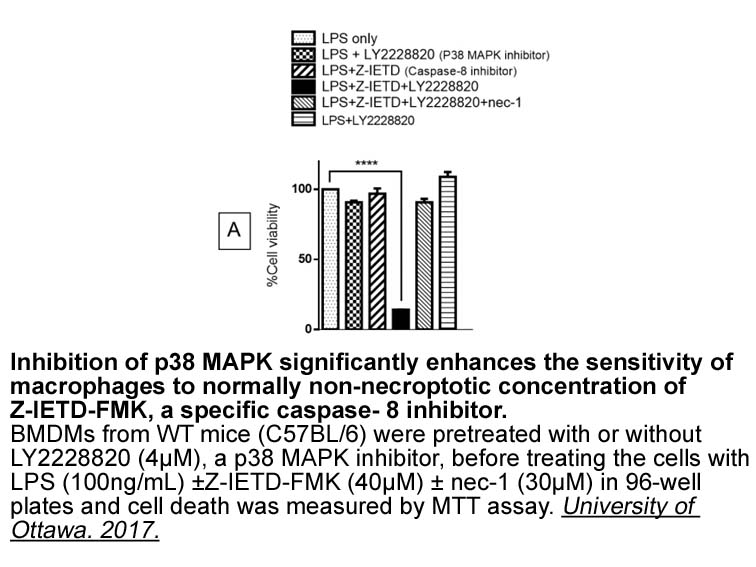
These recommendations may be useful for the future to avoid misleading reports and pairings. However, the existing literature can also hold back current research on some given orphans. Before entering into drug development or further physiological conceptual framework, these pairings should be thoro
-
The elevated levels of intracellular
2024-11-15
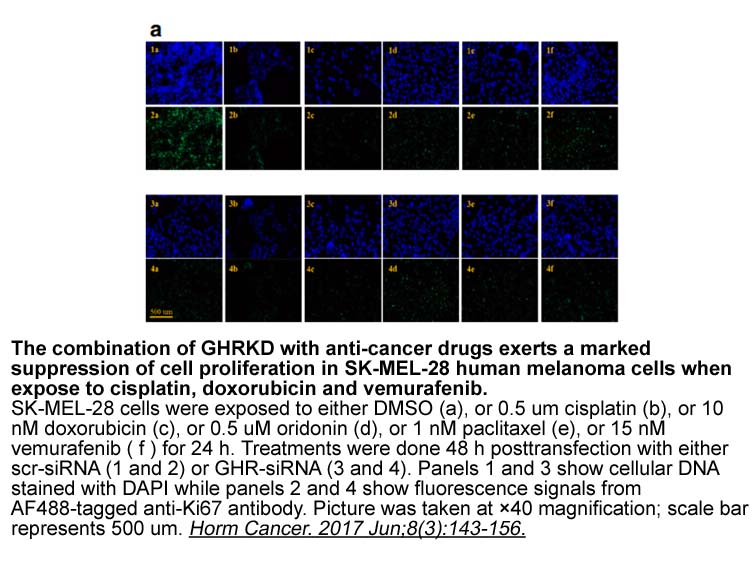
The elevated levels of intracellular antioxidant such as reduced glutathione (GSH) are normally oberserved is various tumor AZD6738 which confers the chemoresistant to chemotherapy [59]. Therefore, the induction of oxidative stress via elevation of intracellular ROS and dimunition of intracellular
-
br Introduction The apelin receptor angiotensin receptor lik
2024-11-15
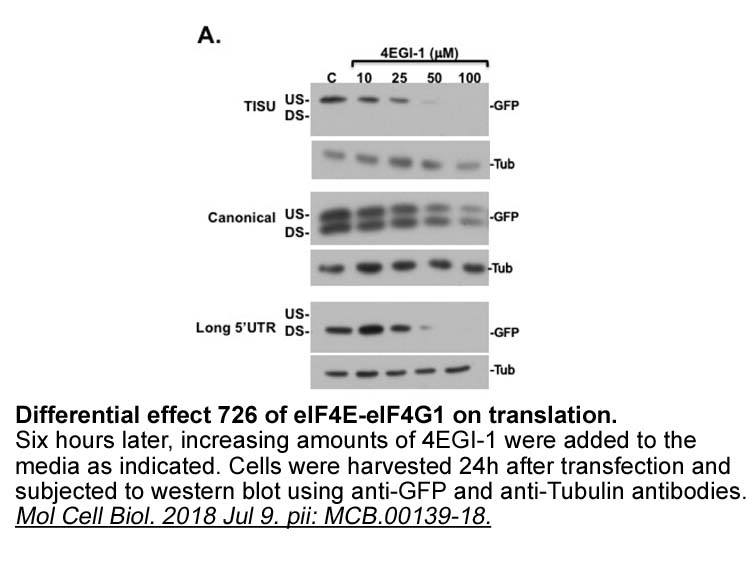
Introduction The apelin receptor (angiotensin receptor-like 1, APJ) is a seven transmembrane receptor (7TMR) that belongs to the class A peptidergic G protein-coupled receptors (GPCR) superfamily [1]. The endogenous ligands of APJ are the different isoforms of apelin (namely apelin-13, −17, and −
-
br MADS box proteins in plants a
2024-11-15
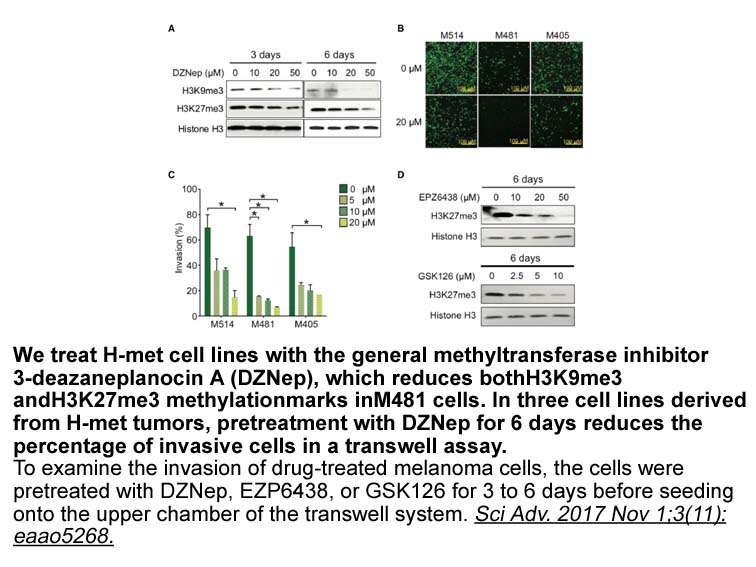
MADS box proteins in plants, a flourishing family In contrast to animals, homeotic genes in plants do not code for homeodomain-containing proteins, but rather, in almost all cases, for MADS domain proteins. The sequencing of the genome of Arabidopsis thaliana revealed more than 100 putative MADS
-
The current antifungal pipeline contains several categories
2024-11-15
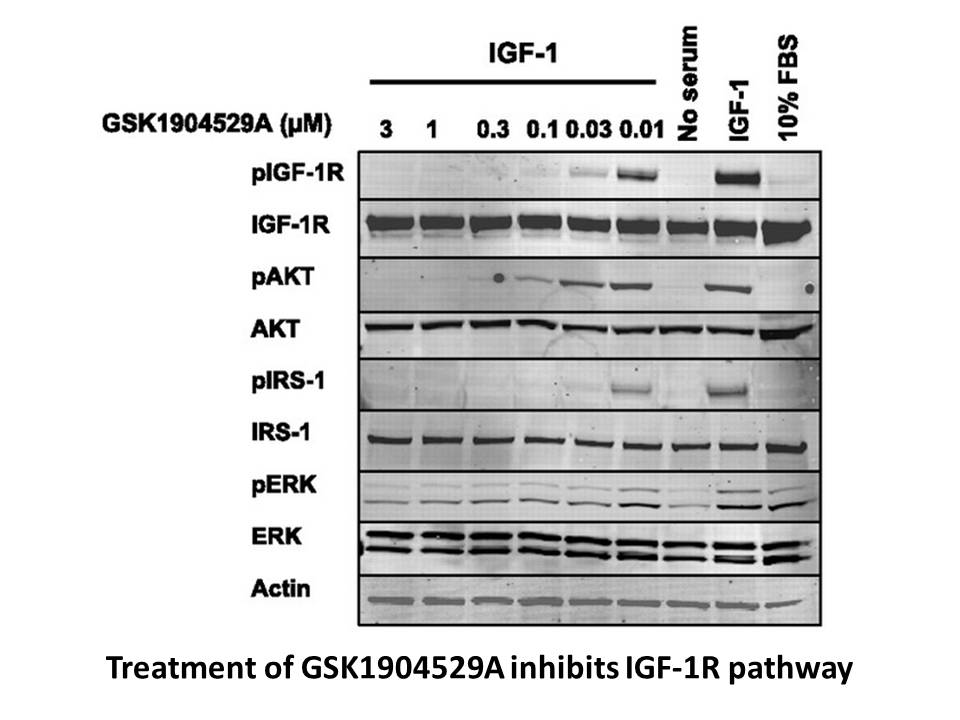
The current antifungal pipeline contains several categories of compounds at different stages of development [1], [9], [10], [96]. In Table 1 we summarize the most promising antifungal molecules that are in preclinical and in clinical development. Several compounds in the pipeline are derivatives of
16370 records 66/1092 page Previous Next First page 上5页 6667686970 下5页 Last page