Archives
- 2026-07
- 2026-06
- 2026-05
- 2026-04
- 2026-03
- 2026-02
- 2026-01
- 2025-12
- 2025-11
- 2025-10
- 2025-09
- 2025-03
- 2025-02
- 2025-01
- 2024-12
- 2024-11
- 2024-10
- 2024-09
- 2024-08
- 2024-07
- 2024-06
- 2024-05
- 2024-04
- 2024-03
- 2024-02
- 2024-01
- 2023-12
- 2023-11
- 2023-10
- 2023-09
- 2023-08
- 2023-07
- 2023-06
- 2023-05
- 2023-04
- 2023-03
- 2023-02
- 2023-01
- 2022-12
- 2022-11
- 2022-10
- 2022-09
- 2022-08
- 2022-07
- 2022-06
- 2022-05
- 2022-04
- 2022-03
- 2022-02
- 2022-01
- 2021-12
- 2021-11
- 2021-10
- 2021-09
- 2021-08
- 2021-07
- 2021-06
- 2021-05
- 2021-04
- 2021-03
- 2021-02
- 2021-01
- 2020-12
- 2020-11
- 2020-10
- 2020-09
- 2020-08
- 2020-07
- 2020-06
- 2020-05
- 2020-04
- 2020-03
- 2020-02
- 2020-01
- 2019-12
- 2019-11
- 2019-10
- 2019-09
- 2019-08
- 2019-07
- 2019-06
- 2019-05
- 2019-04
- 2018-07
-
br Acknowledgements We thank Kathy Spindler for helpful revi
2021-10-12

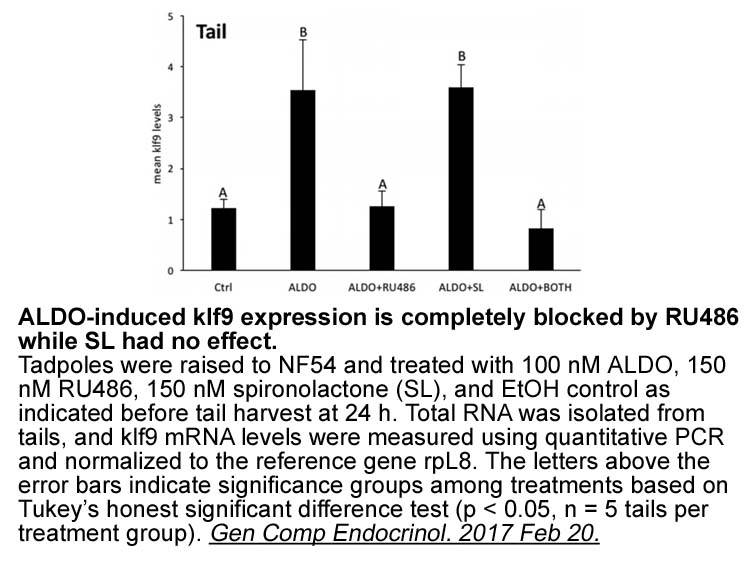
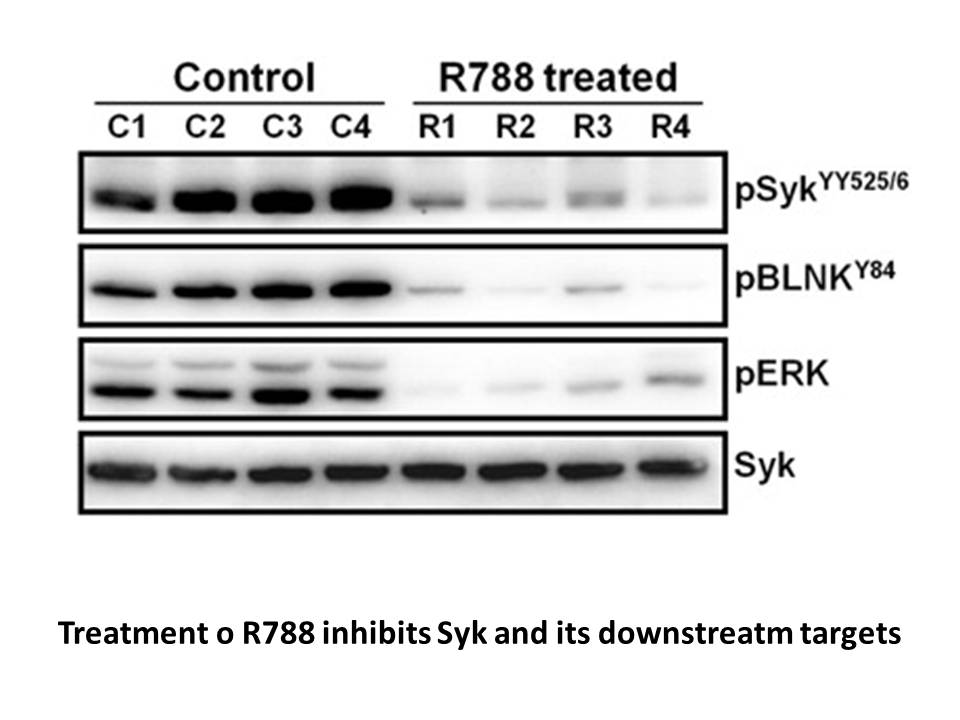
Acknowledgements We thank Kathy Spindler for helpful review of the manuscript. Expert technical assistance from Joel Whitfield in the University of Michigan Cancer Center Immunology Core is greatly appreciated. This research was supported by the American Heart Association (16GRNT30250013) and by
-
In our cohort each patient had a median
2021-10-12
In our cohort, each patient had a median of 2 Anti-FXa measurements performed daily and a median of 1 infusion rate change daily to maintain therapeutic unfractionated heparin levels. Previously, several studies have documented that APTT-based protocols lead to more fluctuations in comparison with A
-
br Role of catecholamines in HIV associated
2021-10-12
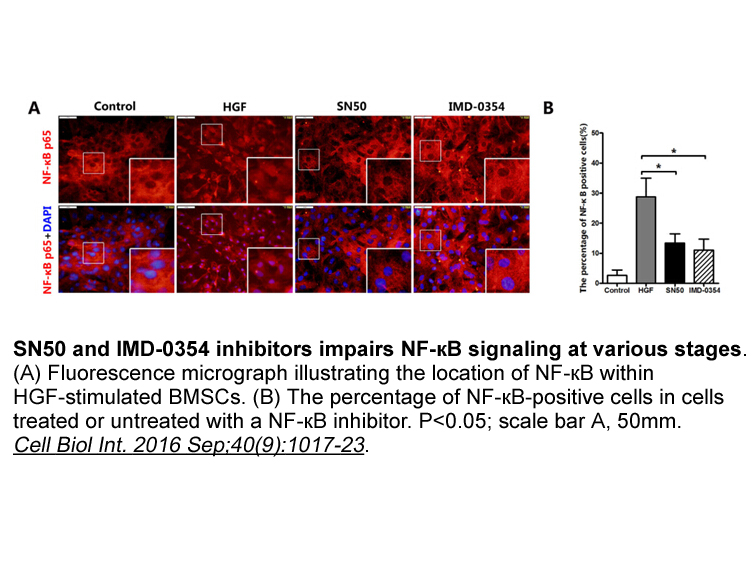
Role of catecholamines in HIV-associated neuroinflammation Concluding remarks However, more research is needed to determine the precise mechanisms responsible for the immunomodulatory effects of catecholamines, including the involvement of specific receptors and signaling pathways in immune ce
-
br Materials and methods br Results br Discussion
2021-10-12
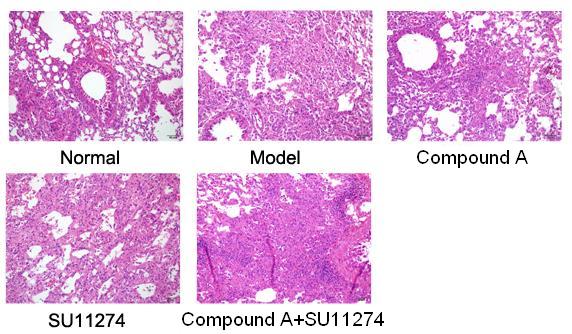
Materials and methods Results Discussion Several histamine H3 receptor antagonists have progressed into clinical development for indications including Alzheimer's disease, schizophrenia, pain and narcolepsy. Each of the compounds studied herein has been extensively characterized in its own
-
Myocardial growth and maturation is regulated in part
2021-10-12
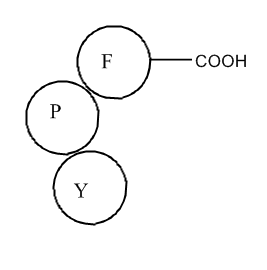
Myocardial growth and maturation is regulated in part by signals from the underlying endocardium (Brutsaert, 2003, de la Pompa and Epstein, 2012, Rentschler et al., 2010). More generally, endothelial long way play an increasingly appreciated role in instructing organogenesis by providing inductive
-
Exendin-3 (9-39) amide HCV NS A inhibits induction of the ty
2021-10-12
HCV NS3/4A inhibits induction of the type I interferon response by cleaving MAVS from the mitochondrial surface (Li et al., 2005b). MAVS is cleaved at cysteine 508, and Exendin-3 (9-39) amide of cysteine 508 to arginine (C508R) abrogates cleavage (Li et al., 2005b). GBV-B and the related canine hep
-
br Concluding remarks br Conflict of interest statement br
2021-10-12
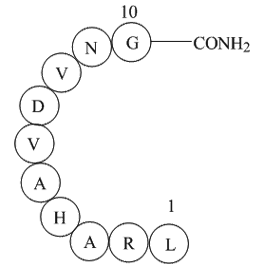
Concluding remarks Conflict of interest statement References and recommended reading Papers of particular interest, published within the period of review, have been highlighted as: Acknowledgements We thank all the present and former members in our laboratory for their contributions to
-
As natural ligands of GPR several long chain
2021-10-12
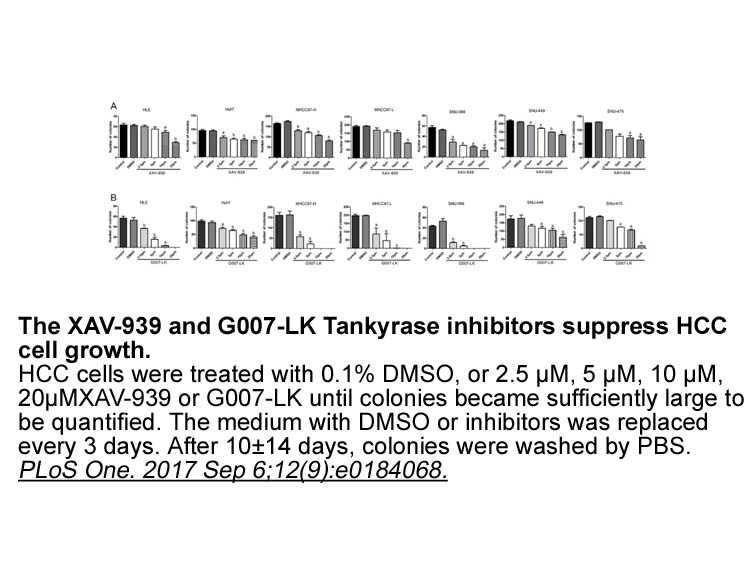
As natural ligands of GPR120, several long chain polyunsaturated fatty acids (Lc-PUFAs) have been demonstrated to modulate the 3T3-L1 adipogenic differentiation. However, the effects of the Lc-PUFAs are inconclusive. DHA is shown to inhibit, promote or even not affect the differentiation of preadipo
-
Typically upon chronic agonist exposure GPCRs undergo desens
2021-10-12
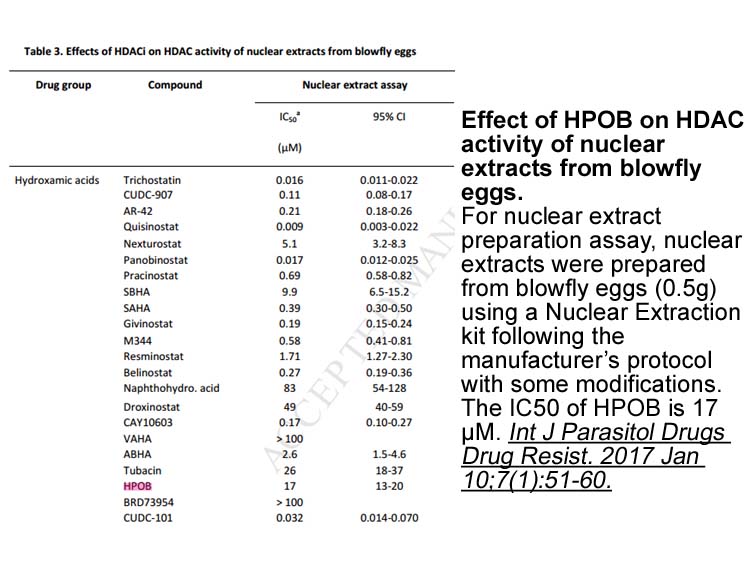
Typically, upon chronic agonist exposure GPCRs undergo desensitization and internalization resulting in a loss of receptor responsiveness over time (Drake et al., 2006, Kelly et al., 2008). However, not all GPCR systems conform to this model of acute agonist-mediated regulation. Some receptors have
-
Lin28 1632 Initial studies generally focused on
2021-10-12
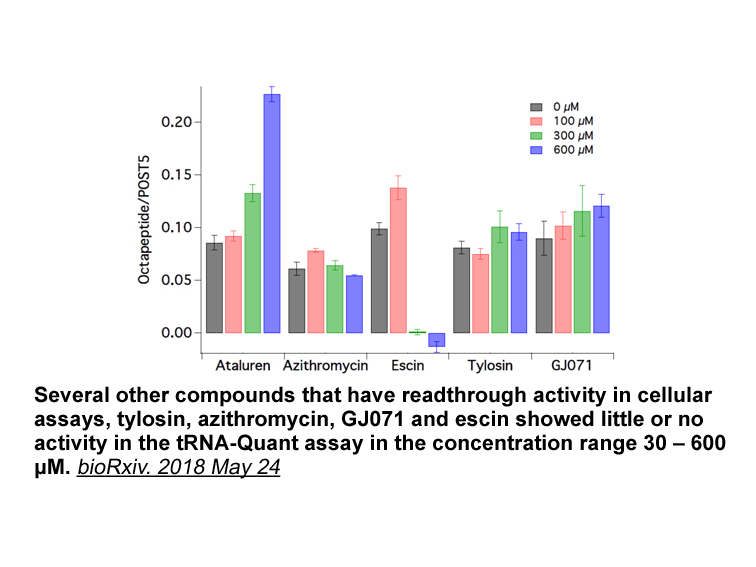
Initial studies generally focused on the co-administration of glutamate with transport inhibitors and clearly revealed the ability of the blockers to exacerbate excitotoxic injury in both in vitro and in vivo models (McBean & Roberts, 1985, Robinson et al., 1993a). In addition to demonstrating the c
-
br Acknowledgments br Free fatty acids FFAs
2021-10-12
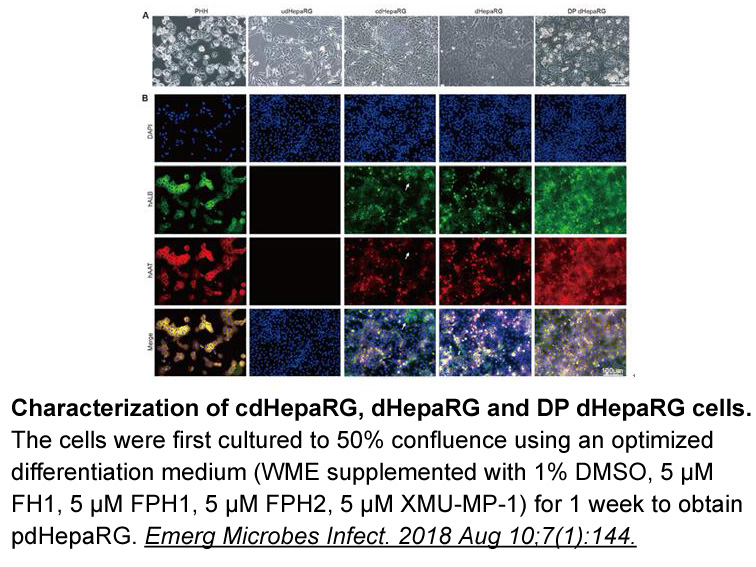
Acknowledgments Free fatty acids (FFAs) are not only essential nutritional components, but they also function as signaling molecules. Recently, a G protein-coupled receptor (GPCR) de-orphanizing strategy successfully identified multiple receptors for FFAs, which function on the cell surface and
-
br Materials animals and methods br Results
2021-10-12
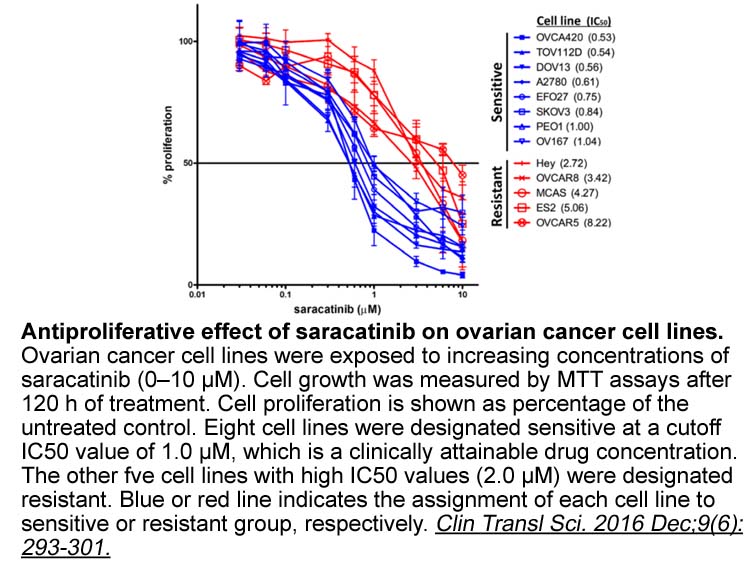
Materials, animals and methods Results Discussion This study presents mice with a missense point mutation in R258 of FFAR1 that has functional consequences. Firstly, in islets of Ffar1R258W/R258W mice, both the physiological agonist palmitate and the synthetic agonist TUG-469 were unable to
-
To synthesize the azaindole based compound Suzuki coupling
2021-10-11
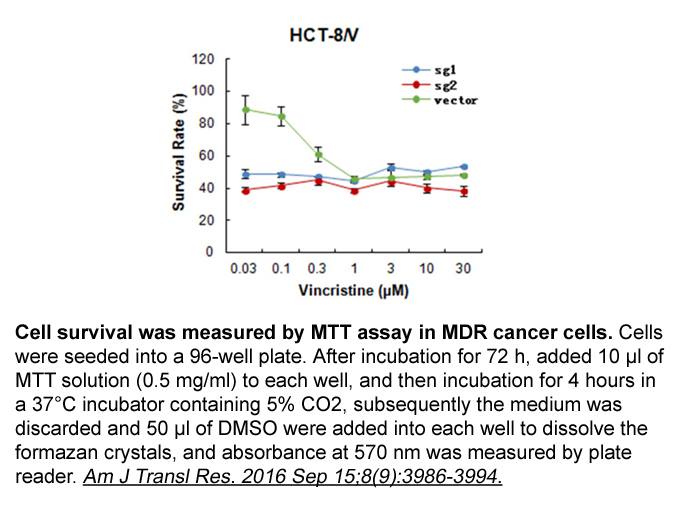
To synthesize the 7-azaindole based compound , Suzuki coupling of 6-chloro-7-azaindole with 4-CFO-phenylboronic Y-27632 was carried out in the presence of Pd(dppf)Cl·CHCl to supply biaryl in quantitative yield (). Iodination at the C-3 position resulted 3-iodo-7-azaindazole . Alkylation of the -1
-
Methoxyflavone and methoxyflavanone Fig both act as
2021-10-11
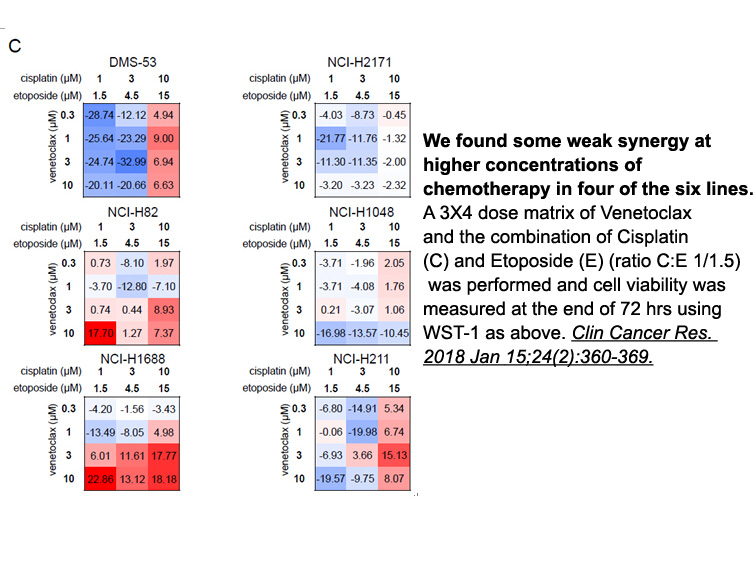
6-Methoxyflavone and 6-methoxyflavanone (Fig. 2) both act as flumazenil-insensitive positive allosteric modulators of GABA responses at human recombinant α1β2γ2L and α2β2γ2L GABAA receptors. However, unlike 6-methoxyflavone, 6-methoxyflavanone was relatively inactive at α1β2 GABAA receptors. Both fl
-
citco br Materials and methods Unless stated otherwise all
2021-10-11
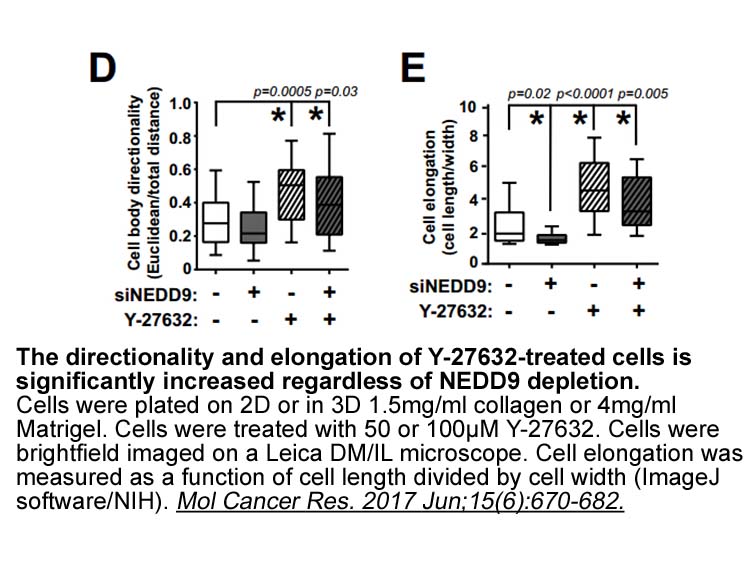
Materials and methods Unless stated otherwise, all chemicals were from Sigma-Aldrich and were of the cell culture grade. HL-1 cardiomyocytes were presented by Dr. W.C. Claycomb (Louisiana State University Health Science Center, New Orleans, LA, USA) [8]. Results and discussion Acknowledgeme
16496 records 616/1100 page Previous Next First page 上5页 616617618619620 下5页 Last page